


U.S. Deploys Missile System to Batanes in Joint Drill, Sends Strong Signal to China

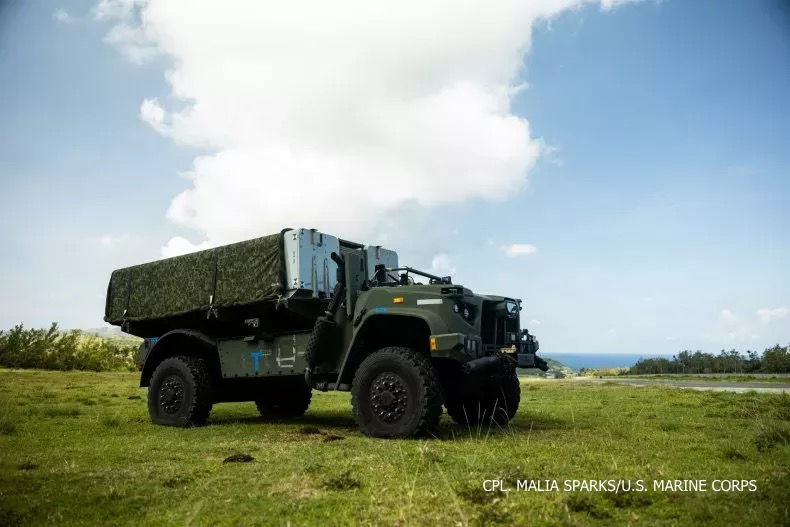
Batanes, Philippines — The United States has once again deployed its cutting-edge Navy-Marine Expeditionary Ship Interdiction System (NMESIS) to the Philippines as part of a multinational military exercise, reinforcing maritime defense cooperation amid growing tensions in the Indo-Pacific.
The NMESIS, a U.S. Marine Corps ground-based missile launcher armed with two Naval Strike Missiles, was airlifted to Batanes Island in the northern Philippines for the Maritime Key Terrain Security Operation, a highlight of Exercise KAMANDAG 9. The missile system is capable of targeting enemy ships up to 115 miles away and is designed specifically for Pacific maritime warfare.
KAMANDAG—short for Kaagapay Ng Mga Mandirigma Ng Dagat or "Cooperation of Warriors of the Sea"—is an annual joint military exercise involving the United States and Philippine Marine Corps, along with forces from Japan, South Korea, and the United Kingdom. The 2025 iteration is being held from May 27 to June 6 across various locations in the Philippines.
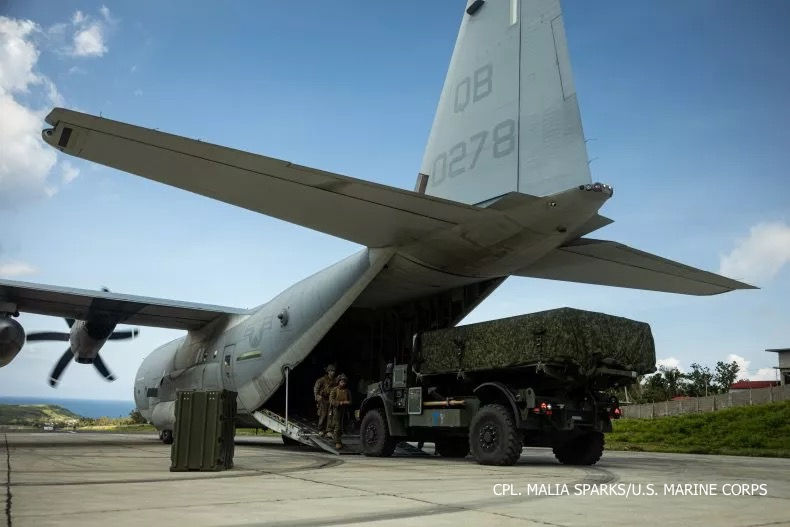
The operation in Batanes, located in the strategic Luzon Strait, comes just weeks after the conclusion of Exercise Balikatan 2025, another large-scale bilateral drill held from April 21 to May 9. During Balikatan, the NMESIS was deployed, but no live missiles were launched. However, military officials have indicated that the system may be used in a live-fire exercise during KAMANDAG 9, depending on weather and safety conditions.
The deployment of NMESIS to Batanes—within the northernmost Philippine island chain—demonstrates the U.S. commitment to enhancing maritime deterrence and regional security. The Luzon Strait is a vital maritime chokepoint and a potential passage for Chinese naval vessels entering the broader Western Pacific from the South China Sea.
In a statement, Col. Jason C. Armas, commander of the U.S. Marine Rotational Force-Darwin 25.3, stressed the importance of close coordination with regional allies.
“Training shoulder to shoulder with our Philippine Marine Corps partners isn’t just about building interoperability—it’s about forging trust through shared challenges and preparing to respond with speed and precision to any crisis.”
In addition to the NMESIS deployment, KAMANDAG 9 includes defensive counter-landing drills, amphibious operations, littoral maneuvers, humanitarian assistance, disaster relief training, and joint subject matter exchanges. The drills aim to boost interoperability, enhance regional defense posture, and improve the collective response to both military and humanitarian crises.
While it remains unclear whether the NMESIS system will remain in the country after the exercises, the Philippines continues to host other U.S. advanced weapon platforms—including the Mid-Range Capability missile system, which has been stationed in the archipelago since 2024.
The latest deployment underscores the Philippines’ critical role in the U.S. Indo-Pacific strategy and as part of the First Island Chain—a network of allied territories designed to monitor and deter Chinese maritime expansion in the region.


Comments