


New ICC Regulation Makes Arrest Warrant Applications Automatically Secret

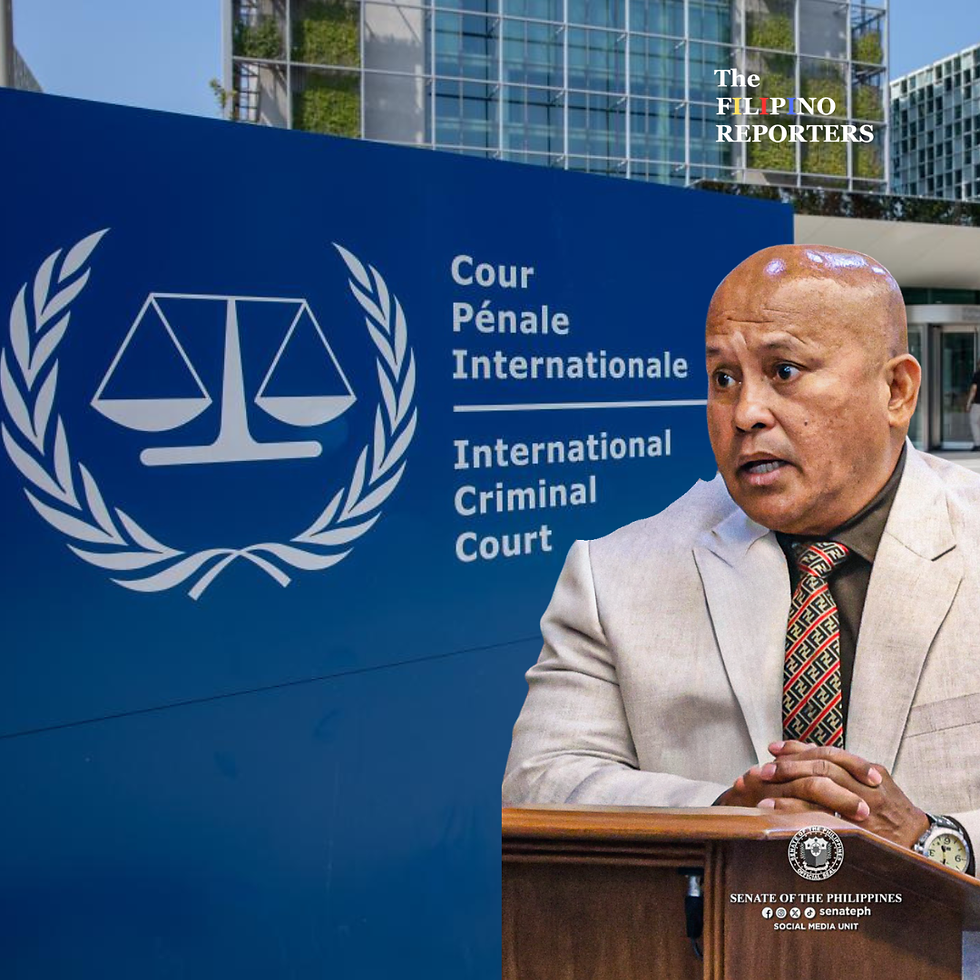
The judges of the International Criminal Court (ICC) have adopted an amendment to the Court’s regulations mandating that applications for arrest warrants or summonses to appear be classified as secret or under seal, unless otherwise authorized by a Chamber.
The new provision, Regulation 23 ter, which takes effect today, formalizes the existing practice of the Court’s Pre-Trial Chambers requiring the Office of the Prosecutor to file such applications confidentially under Article 58 of the Rome Statute.
Under the amendment, these applications will remain secret and can only be made public with judicial authorization. Judges may decide, on a case-by-case basis, to disclose the existence of arrest warrants or summonses — for example, to interrupt ongoing crimes, deter future offenses, or increase the chances of arrest.
According to the ICC, the reform aims to harmonize procedures and codify best practices within the Court. Before its adoption by the plenary of judges, the proposal was reviewed by the Advisory Committee on Legal Texts, which includes judges, representatives from the Office of the Prosecutor and the Registry, and a member of the Court’s list of counsel.
The amendment will now be circulated to States Parties for comments. In line with Article 52(3) of the Rome Statute, if no majority objections are raised within six months, the new rule will remain in force.
Meanwhile, Philippine Ombudsman Crispin “Boying” Remulla announced over the weekend that a warrant of arresthas been issued by the International Criminal Court against Senator Ronald “Bato” dela Rosa.
Dela Rosa, who served as the chief implementer of former President Rodrigo Duterte’s controversial anti-drug campaign, is reportedly a co-accused in the ICC’s investigation into alleged crimes against humanity committed during the “war on drugs.” Former President Duterte has been under ICC detention since March, following the issuance of an arrest warrant related to the same case.


Comments