


NAIA Crash Sparks Outrage Over Allegedly Substandard Bollards

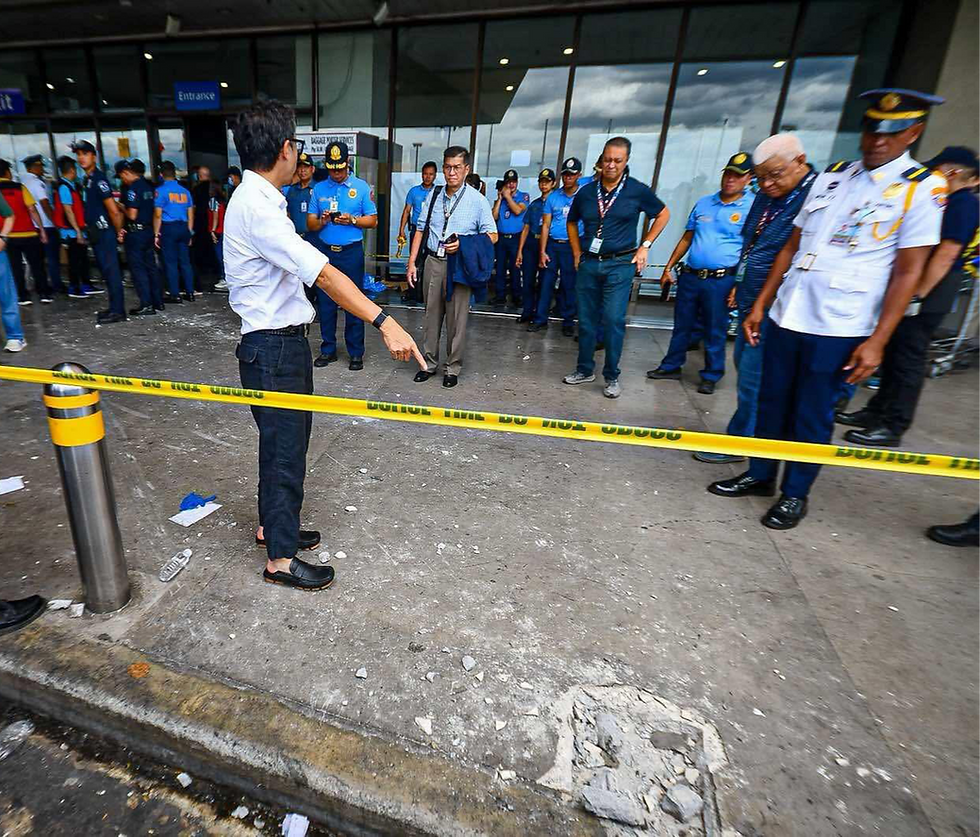
A deadly crash at the Ninoy Aquino International Airport (NAIA) Terminal 1 has drawn public criticism and renewed scrutiny of an ₱8-million bollard installation project implemented during the Duterte administration. The steel barriers, intended to safeguard pedestrians and infrastructure, failed to stop a fast-moving vehicle, resulting in two fatalities—including a five-year-old girl—and injuries to several others.
Security footage from the incident shows a black Ford Everest suddenly accelerating from a parking slot and crashing into a group of people at the departure area. In the video, one of the bollards was visibly uprooted, raising serious doubts about the structural integrity and effectiveness of the safety installation.
The bollards were installed at NAIA Terminals 1 to 4 under a 2019 Manila International Airport Authority (MIAA) project meant to improve terminal security and prevent vehicle incursions. However, the barriers in place appeared to be inadequate to withstand vehicular impact, leading to questions about the materials used, installation procedures, and whether appropriate engineering standards were followed.

In standard safety infrastructure practices, crash-rated bollards are expected to meet international certifications and are designed to resist the force of speeding vehicles. Such barriers are typically constructed using heavy-duty steel and are embedded deeply in reinforced concrete to ensure stability during impact. The bollards installed at NAIA, based on the aftermath of the crash, did not meet these criteria.
The ease with which the post was dislodged has raised suspicions that the project may have involved the use of decorative or underspecified bollards rather than certified crash-resistant models. This has fueled public concern over the possible misuse of public funds and lack of oversight in the procurement and implementation phases of the project.
Authorities are now under pressure to investigate the circumstances surrounding the bollard installation. Transportation officials have announced a review of the safety infrastructure across all NAIA terminals, and legal experts have emphasized the need to establish accountability if the bollards are found to be substandard or improperly installed.
The tragedy has not only exposed a potential lapse in public safety measures but has also highlighted the importance of strict compliance with engineering standards in government infrastructure projects. As investigations proceed, questions continue to mount about how an expensive safety feature could fail so disastrously at a critical moment.


Comments