


8 Metric Tons of Rice Buried in Philippines as Families Struggle With Hunger

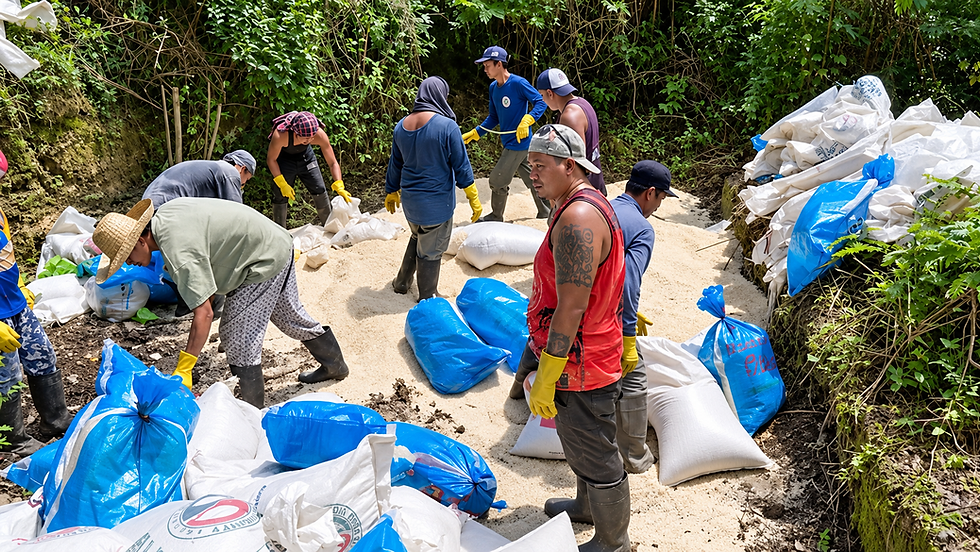
More than eight metric tons of rice were buried on Bantayan Island in Cebu, central Philippines, after the supply became contaminated and was declared unfit for human consumption, raising serious questions about how government food assistance was managed while many Filipino families continue to struggle with hunger and rising living costs.
A total of 178 sacks of rice were opened and disposed of by burial on Friday, October 9, following an inspection by the National Food Authority, the Philippine government agency responsible for maintaining and managing the country’s rice buffer stocks.
Authorities said the rice was no longer safe to eat because of changes in its color and odor. Representatives from the Commission on Audit, the government body responsible for reviewing public spending and the use of state resources, were also present during the disposal.
The incident has drawn criticism because rice is the main staple food in the Philippines and a major household expense, particularly for low-income families.
For families struggling to afford daily meals, government rice assistance can reduce the amount they need to spend on food and free up limited income for medicine, transportation, school expenses and other basic needs.
Instead, more than eight metric tons of rice were left unused until they spoiled and ultimately had to be buried.
The local government said the rice had been under the custody of the previous municipal administration before a change in leadership following the May 12, 2025 elections.
The Department of Social Welfare and Development, the national agency responsible for social assistance and disaster relief, had reportedly provided supplies for communities affected by an October 2025 earthquake in several areas of Bantayan.
However, the report did not clearly explain why the rice was not distributed before it deteriorated.
The unanswered questions now center on how long the rice remained in storage, whether proper storage procedures were followed, why distribution was delayed, and which officials were responsible for ensuring that the food reached intended beneficiaries.
The case highlights a broader problem in public assistance programs: aid may be allocated and delivered to local authorities, but weak implementation, poor storage, delayed distribution or lack of accountability can prevent that assistance from reaching people when it is most needed.
At a time when many Filipino families are struggling to put enough food on the table, the destruction of 178 sacks of rice is more than a case of spoiled supplies.
It is a failure in the delivery of public assistance that demands a clear explanation and accountability from those responsible for managing the food stocks.


Comments